Skip to content

Thinking About a New Cell Phone? Start Here.

Whether you’re picking up your first cell phone or you already know your way around a smartphone, this guide breaks it all down. We’ll walk you through what to look for before buying, how to choose a phone that actually fits your lifestyle, and which cell phone providers offer the best value for older adults. From budget-friendly phones to feature-packed smartphones—and even simple flip phones—we’ve done the research to help you find the right device at the right price. You can also explore our latest carrier reviews to see how today’s top providers stack up for seniors, plus detailed pricing guides to help you score the best deals. If you’re stuck choosing between carriers, we’ve tested and compared them so you don’t have to.
Why Cell Phones Matter More Than Ever for Older Adults


Cell phones aren’t just about making calls anymore. They keep people connected through texts, video chats, social media, and instant access to information. For older adults, that connection can mean independence, safety, and peace of mind.


While adults 65 and older were slower to adopt cell phones at first, that gap has largely disappeared. According to 2024 data from the Pew Research Center, 96% of adults age 65+ own a cell phone, and 76% now use smartphones. Clearly, staying connected is no longer optional—it’s the norm.


Everyday Benefits of Cell Phones for Older Adults


Cell phones support daily life in more ways than most people realize, including:
 
  • Staying connected with family and friends
  • Taking and sharing photos instantly
  • Tracking health information and sharing it with providers
  • Streaming movies, shows, music, and games
  • Managing devices like hearing aids or smart thermostats
  • Setting reminders for medications, appointments, and important dates

Beyond convenience, cell phones can also support:
 
  • Better mental health through regular social interaction
  • Greater control over health with fitness and wellness apps
  • Brain stimulation through games, reading, and learning
  • Independent living with emergency calling, fall alerts, and reminders

What to Consider Before Buying a Cell Phone

Not every phone—or plan—is right for every person. Before buying, it’s important to think about how you’ll actually use the device.


Phone Types
 
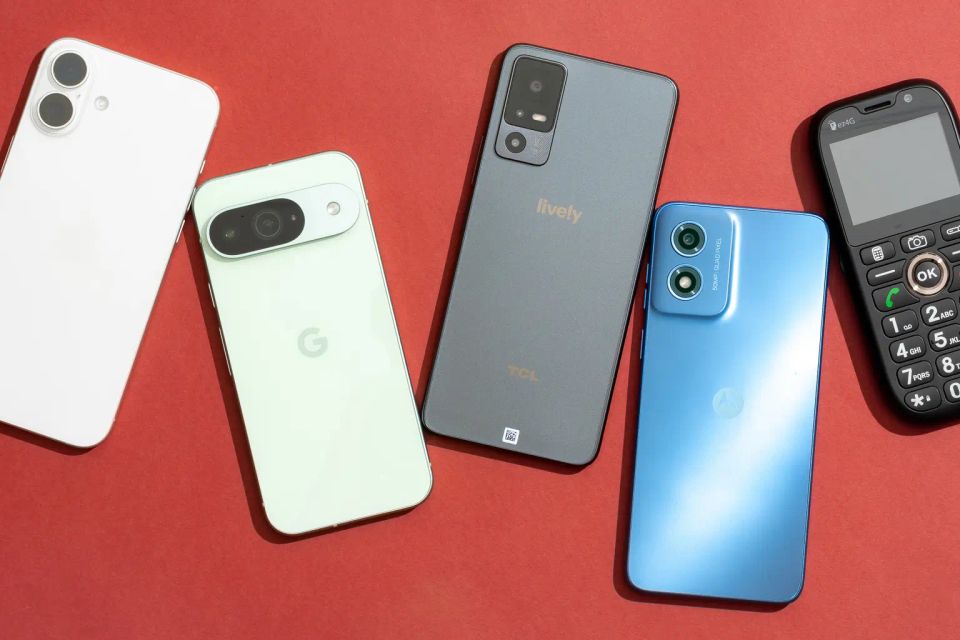
  • Smartphones: Full-feature devices for calls, apps, internet, photos, and video.
  • Basic/Brick Phones: Limited features, simpler design.
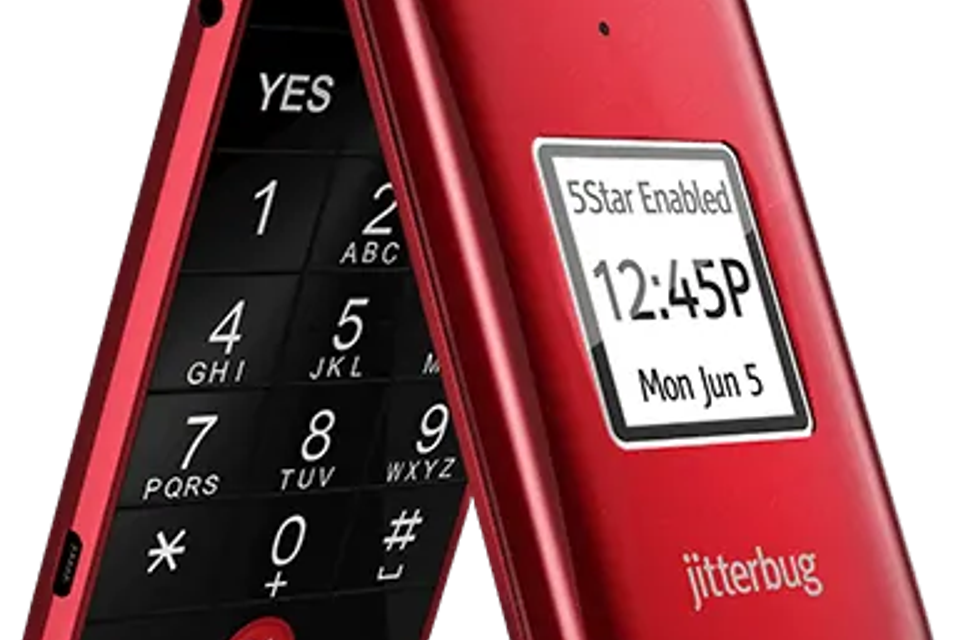
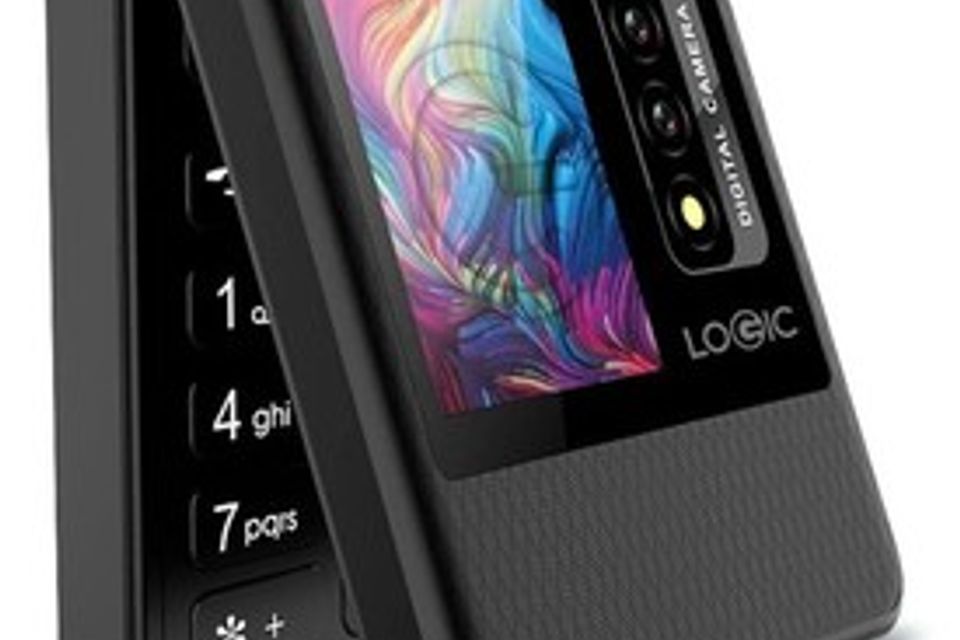
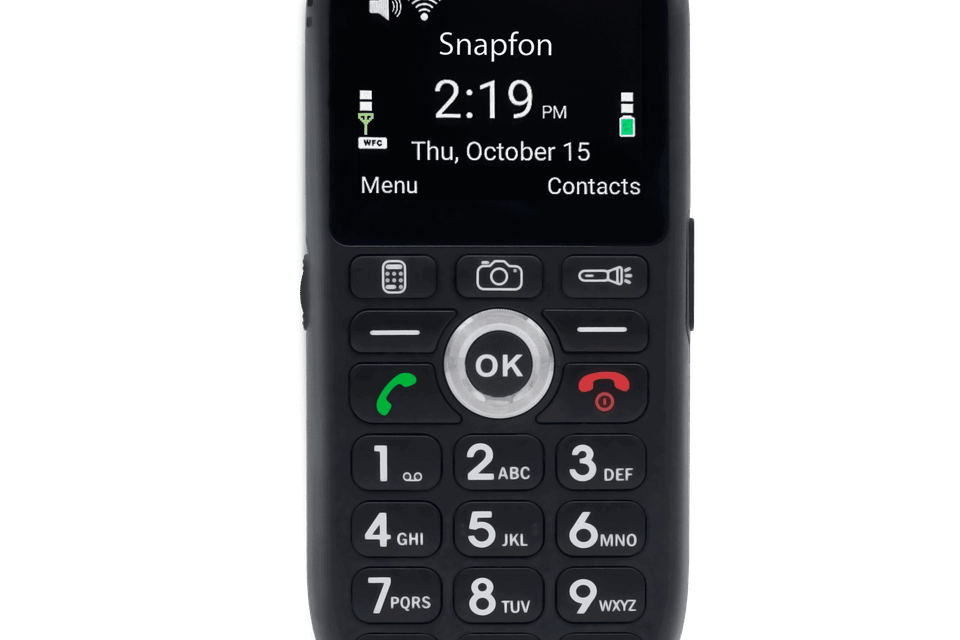
  • Flip Phones: Straightforward calling and texting with minimal extras.

Do You Really Need a Smartphone?

Smartphones offer more, but they also cost more. If you enjoy video chatting, social media, streaming, or browsing online, a smartphone makes sense. If you mainly want calls and texts, a flip phone may be the smarter—and cheaper—choice.


Apple vs. Android

Apple’s iPhone is popular and works especially well if family members already use Apple devices. Android phones are often considered more flexible and beginner-friendly, with “easy mode” options designed for simpler navigation.


Choosing the Right Phone Plan


Plans range from pay-as-you-go to monthly and contract options. Some contracts offer discounts but limit flexibility. Others save money if you only use talk and text.
When comparing plans, think about:
  • How much you talk and text
  • Whether you need data—and how much
  • Whether unlimited data is worth it for your usage

Light users can save with basic plans, while smartphone users may prefer unlimited data.

Senior-Friendly Features That Matter


Look for phones with features designed to support comfort, safety, and ease of use, such as:
 
  • Large buttons and keypads
  • Bright, easy-to-read screens
  • Loud speakers and hearing aid compatibility
  • Simple home screens
  • One-touch emergency calling
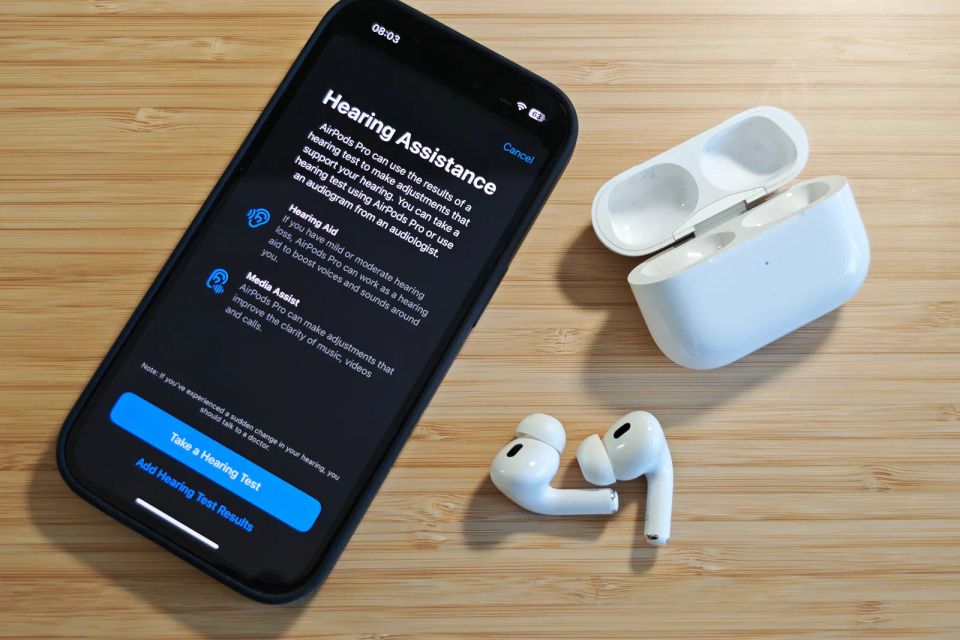
  • Bluetooth support for hearing aids
  • Camera magnifiers for reading small print

Cost Breakdown: What to Expect


  • Flip & basic phones: Typically $60–$150
  • Smartphones: Start around $150 and can exceed $1,000

Many carriers offer payment plans, spreading device costs over monthly bills. Just be sure to confirm whether you’re buying the phone or leasing it.
 

Best Cell Phone Carriers for Seniors

 
  • T-Mobile: Affordable unlimited plans with strong 5G coverage
  • Lively: Senior-focused phones with built-in health and safety features
  • Consumer Cellular: Flexible plans and easy-to-use devices
  • AT&T: Nationwide coverage with 55+ discounts
  • Verizon: Reliable service with select senior plans available by location

Final Takeaway


The right cell phone can do more than keep you connected—it can support your health, independence, and everyday life. Whether you want something simple or fully loaded, the best choice is the one that fits your needs, comfort level, and budget.

Jan 6th, 2026

Published By: Noël Bryant, B.A.